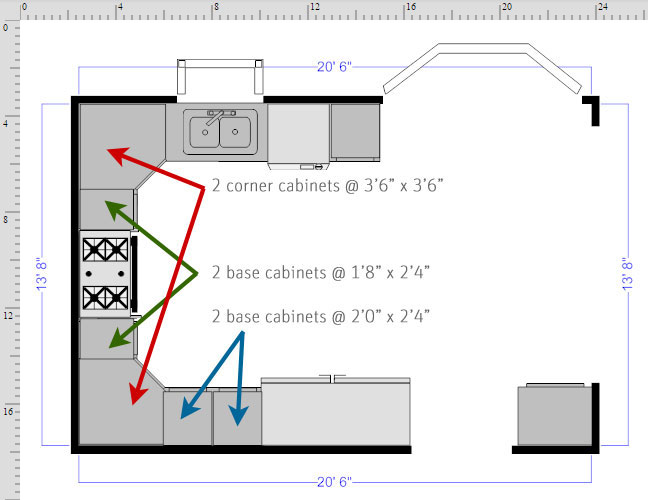
Since the 1920s and 40s, designers have touted efficiency and functionality in creating a pleasing kitchen aesthetic. The classic kitchen work triangle connects the sink, stove, and refrigerator and minimizes steps when cooking. When the concept of a work triangle was created, the only appliances people worried about in the kitchen were the refrigerator and the stove. Modern cooks now have microwaves, air fryers, dishwashers, and other items that can be part of their daily routines. It makes sense to take the basic concept about efficiency from the work triangle, but expand it to fit your lifestyle and workflow.
The goals of your kitchen design should be to:
- Keep key zones within easy reach.
- Keep travel paths short and unobstructed. You don't want to walk around an island every time you need something from the fridge.
- Consider creating multiple zones for prep, cooking, cleaning, and storage.
- Create a triangle for stove cooking and a secondary triangle for baking.
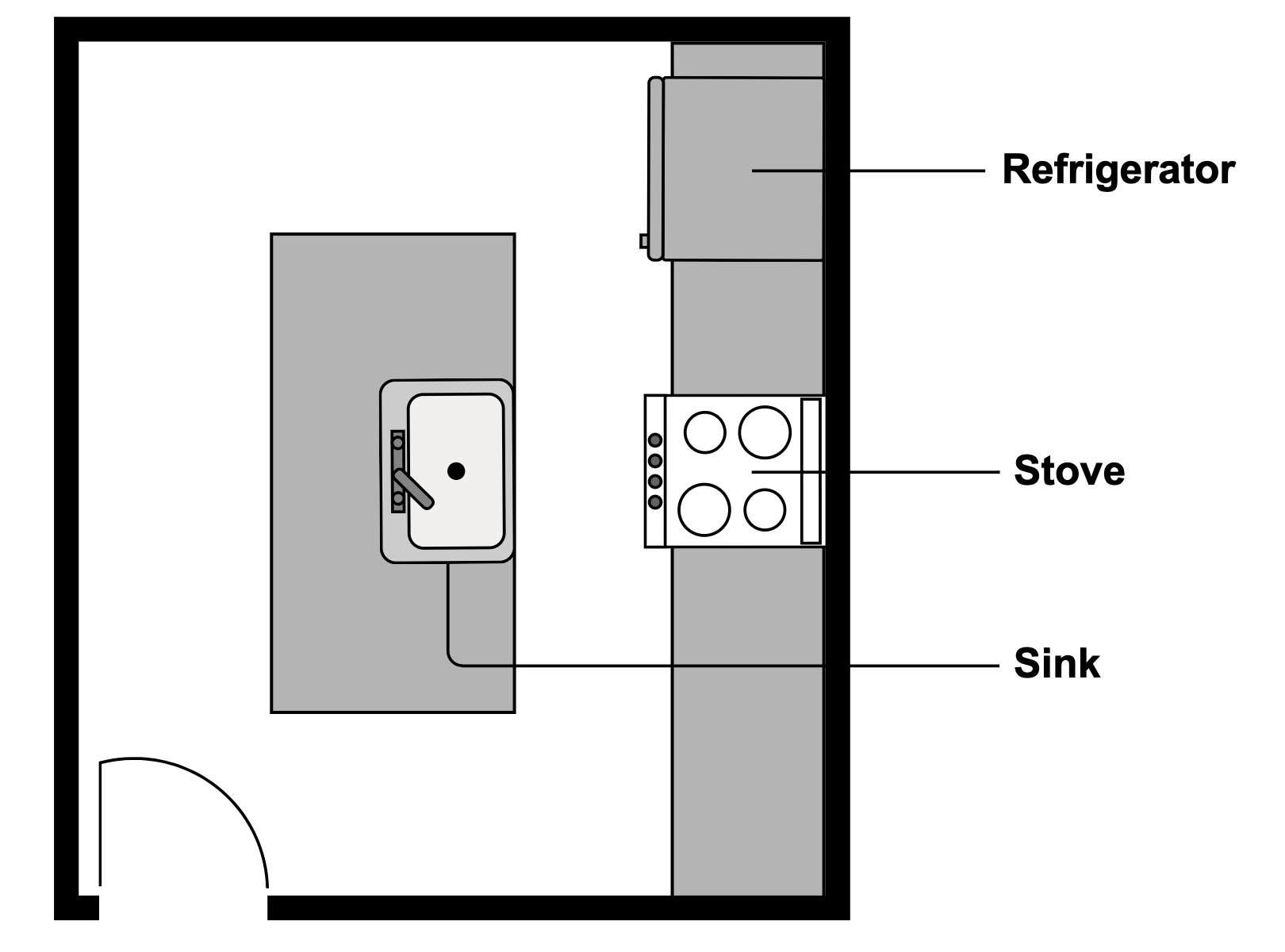
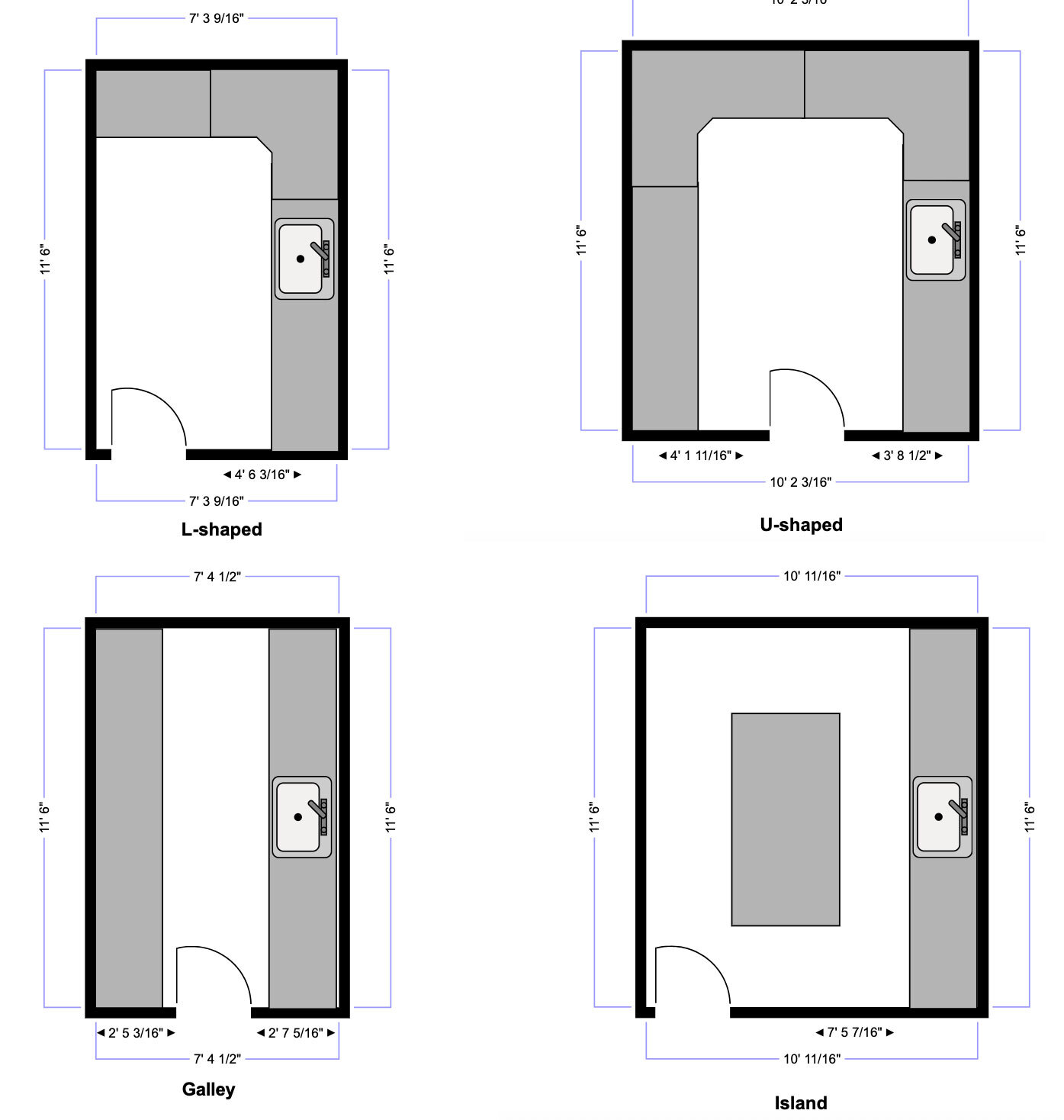
When designing your kitchen, you'll have to work within the constraints of the space you have and consider your lifestyle and preferred workflow when creating a layout:
- L-shaped kitchens: Great for open layouts and flexibility
- U-shaped kitchens: Maximize storage and counter space
- Galley kitchens: Efficient for smaller spaces
- Island kitchens: Ideal for entertaining and multi-use spaces
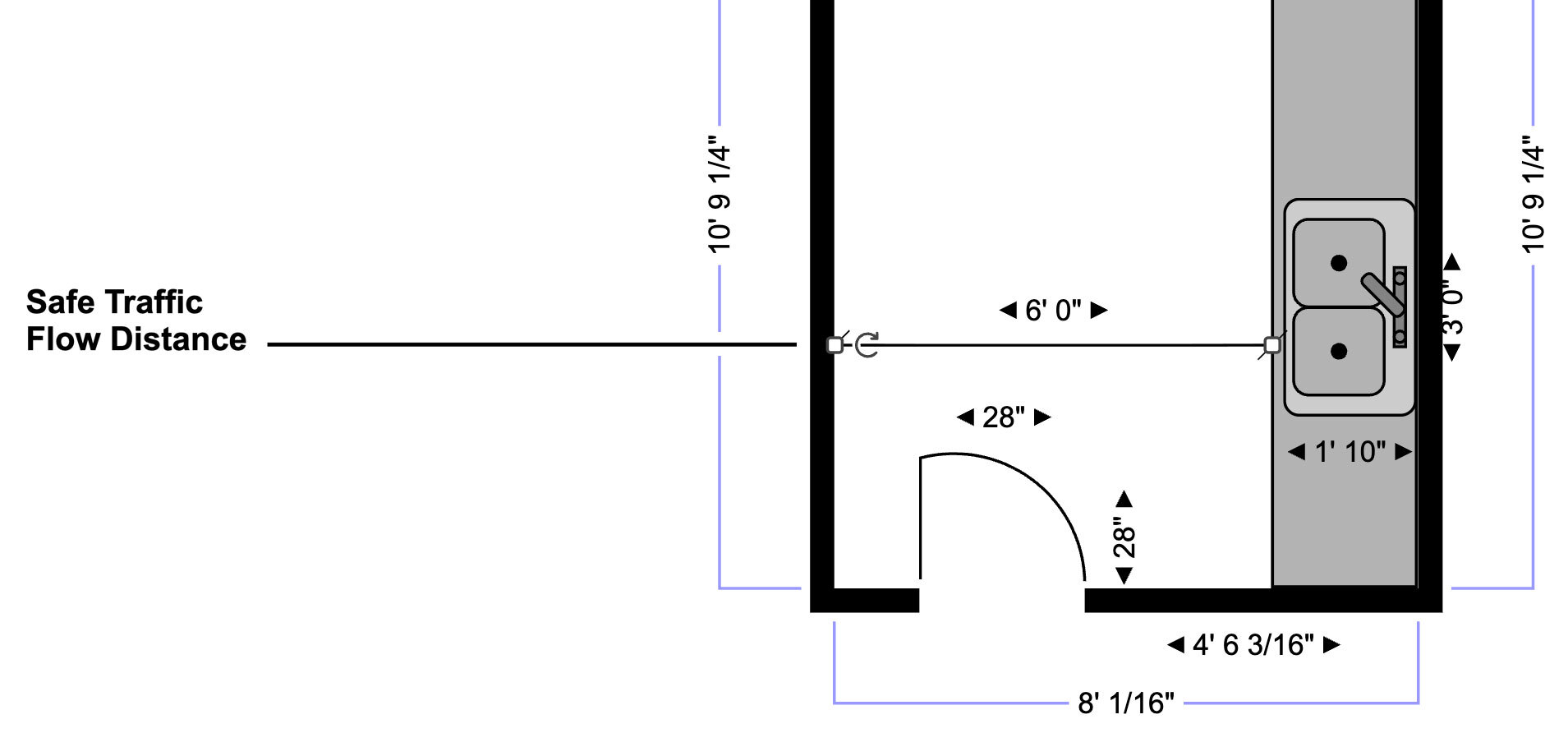
A beautiful kitchen that's hard to move in quickly becomes frustrating.
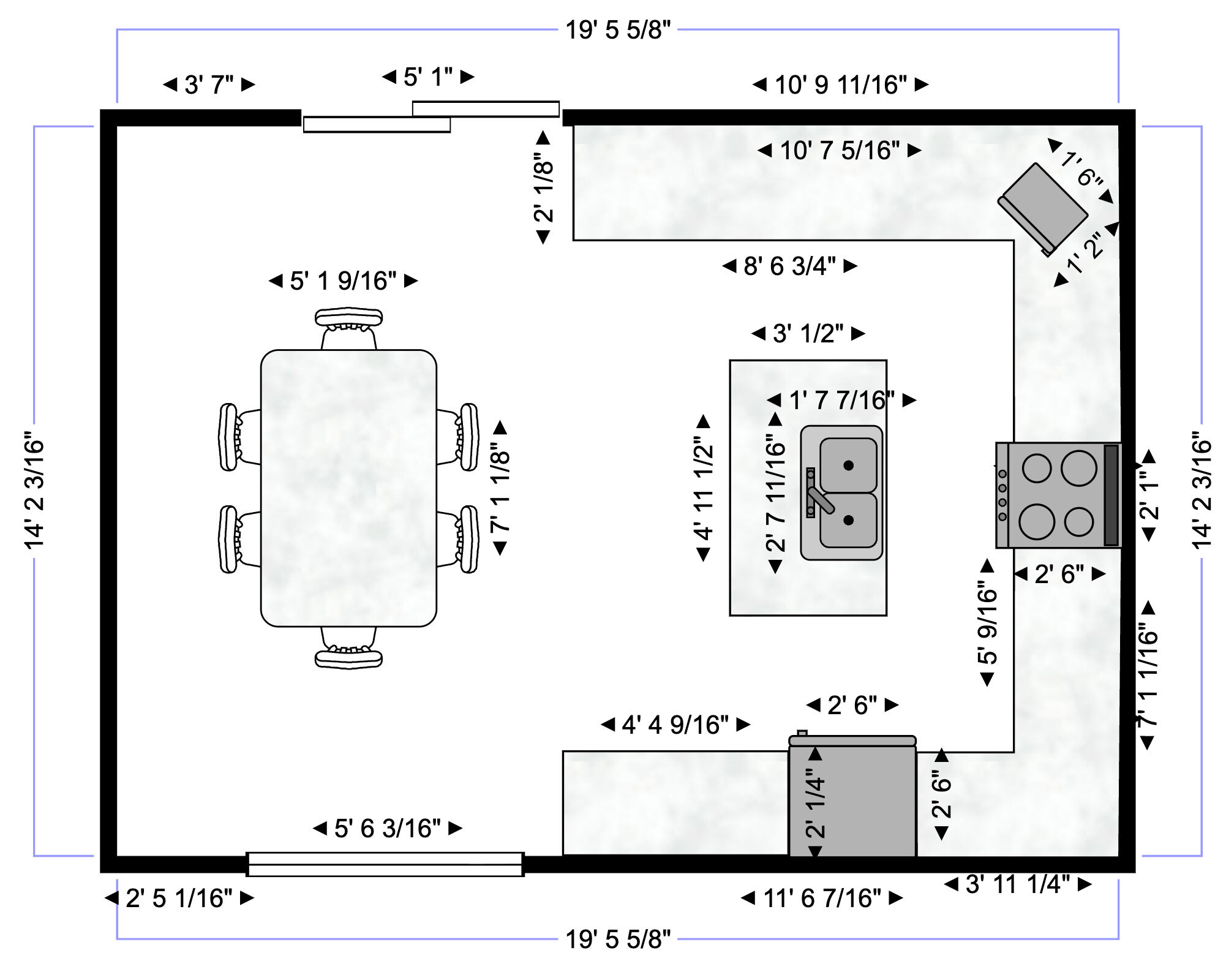
- 36" minimum walkways (42-48" preferred in busy kitchens with multiple cooks)
- Allow space for appliance doors to open fully
- Make sure your sink has a minimum of 24" of clear counter on each side, 36" if you want to have a food prep area
- Make sure your stove or cooktop has 15" of clear space on each side
- Avoid traffic paths cutting through work zones
Instead of generic cabinet placement, design storage around use:
- Add drawers near prep areas for utensils
- Use pull-outs near the stove for spices and oils
- Use drawers to access deeper cabinets
- Make the most of corner spots with Lazy Susans or corner drawers
- Reduce countertop clutter with smart storage solutions like under-shelf baskets , hooks to hold mugs, strainers, or measuring cups, and shelf organizers that can let you stack dishes and pots more easily
- Open shelving is trendy and it can be great for items you want to keep accessible, but be mindful it can also create a lot of visual clutter
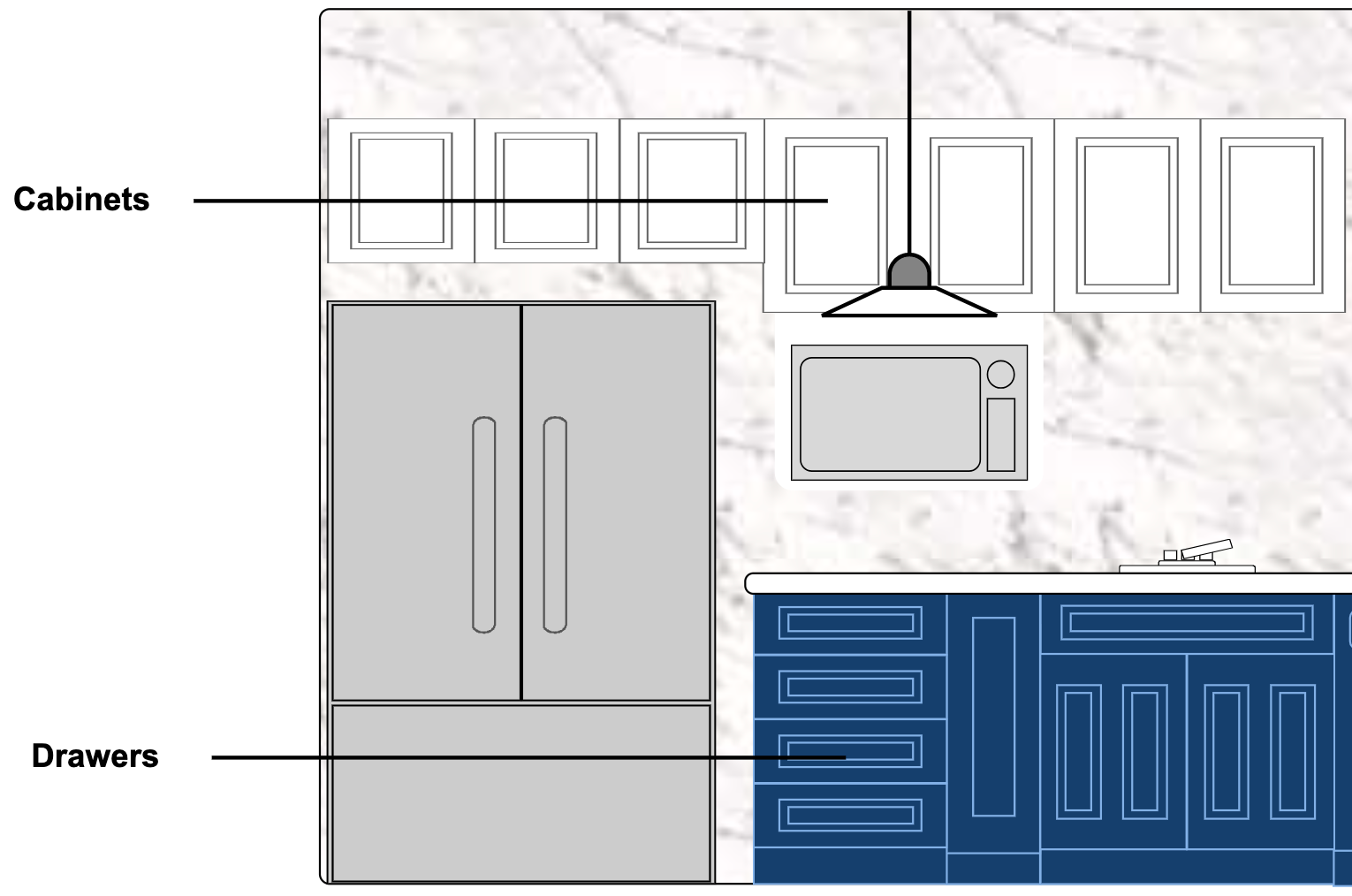
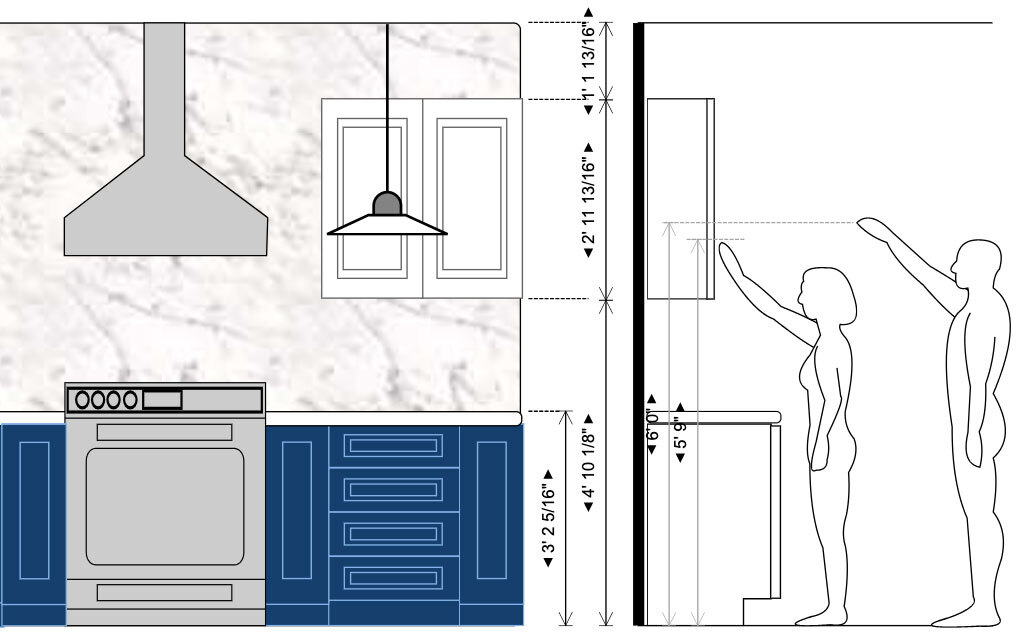
A kitchen floor plan is great for creating a precise layout and design how your kitchen will work. Elevation plans show what your kitchen will actually look like in real life. When combined with a floor plan, an elevation plan can:
- Catch layout issues early
- Avoid costly mistakes during construction
- Communicate clearly with contractors and designers
Elevation plans help you align everything:
- Upper cabinet heights and spacing
- Symmetry around windows, sinks, and ranges
- Consistent alignment of cabinet edges and appliances
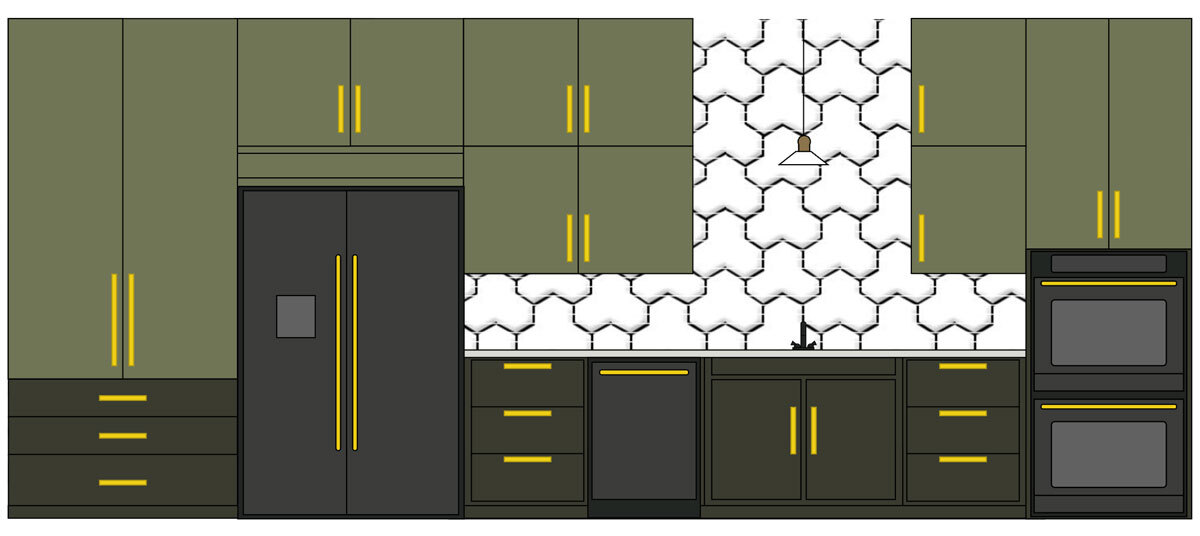
Use exact measurement for every appliance you're going to buy. There's nothing worse than a refrigerator that sticks out 3 inches into your walkway because you made some incorrect assumptions about standard sizes.
- Refrigerators vary widely in depth and height
- Range hoods need proper clearance
- Dishwashers and ovens will affect cabinet spacing
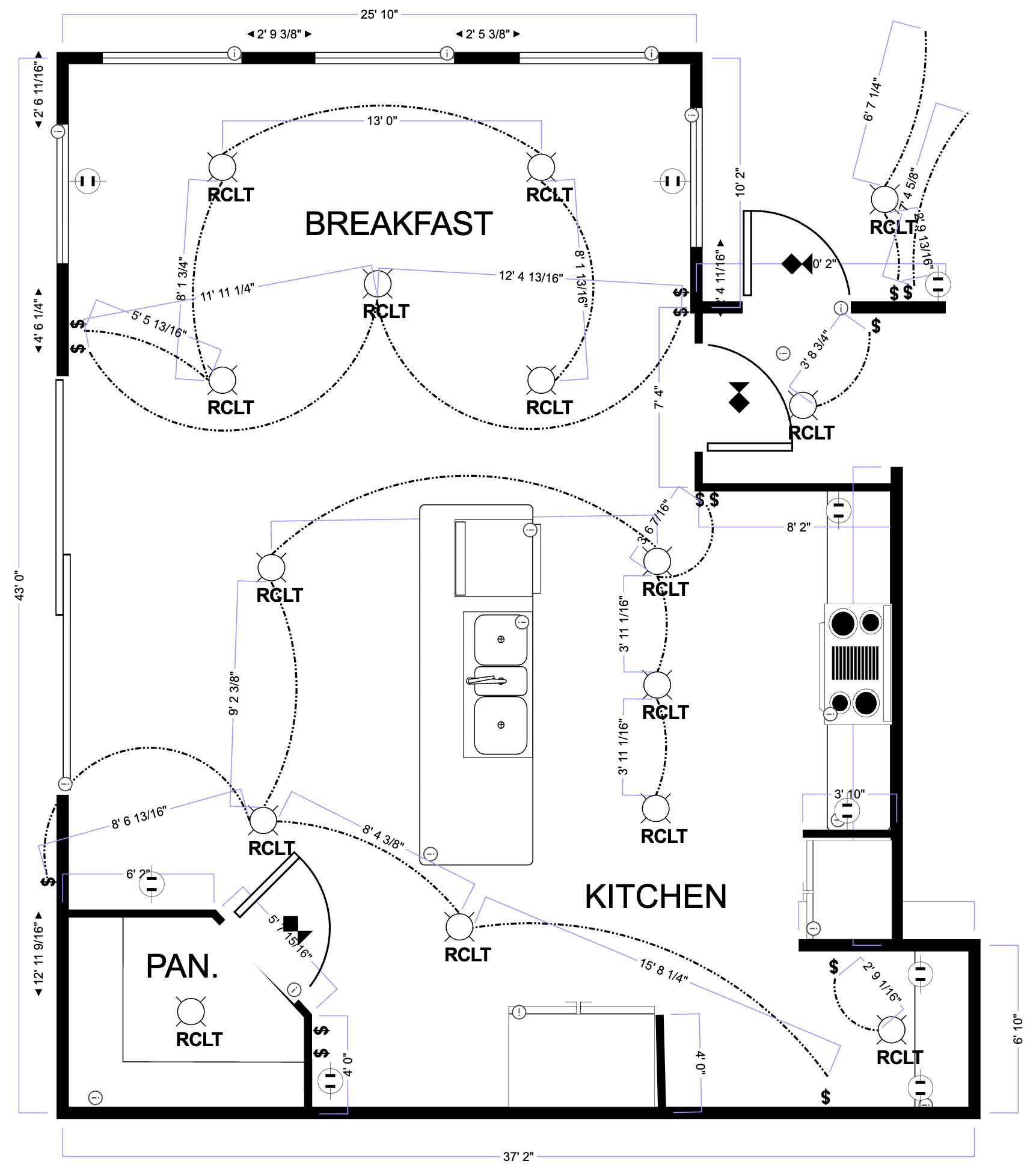
Lighting in a kitchen needs to provide illumination for work, but also help set the mood. Like everything else in your kitchen, lighting is about both style and function.
- Layer light to combine ambient light like recessed ceiling lights, task lights such as under-cabinet lights, and accent lights like pendants over an island to create both a functional and inviting space.
- Place restricted lights directly over the front edge of the countertops to ensure the light hits your work area, not your back.
- Position recessed lights on either side of the sink, so the light falls into your workspace, minimizing shadows from your head.
- Instead of a single large light source, use multiple lights no more than 6 feet apart with overlapping beams that eliminate shadows and reduce glare.
- For islands, hang pendant lights 30-36" above the countertop and space them 30-32" apart.
- Choose pendant lights that direct some light upward to bounce off the ceiling and create a softer, more ambient glow.
- Under-cabinet lighting can help eliminate shadows and improve safety.
- For a high-end look, add accent lights inside glass door cabinets or the top of your cabinets.
Don't just chase the latest trends with materials. Choose durable and easy-to-clean surfaces for counters, flooring, and cabinets.
Countertops
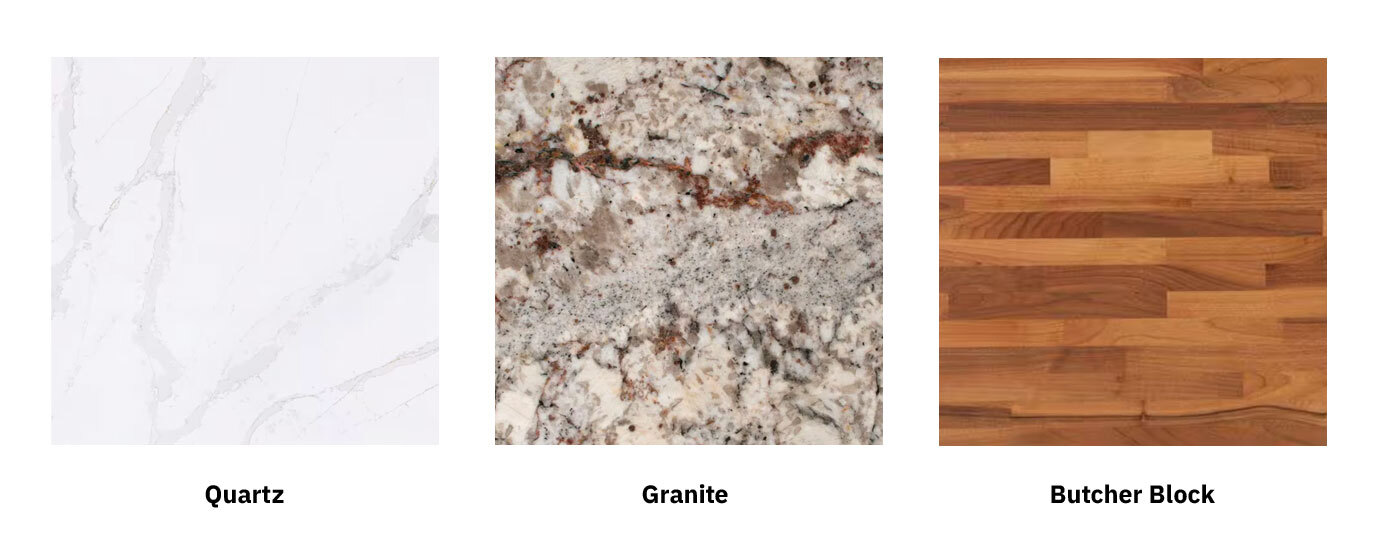
Your countertops are one of the hardest-working surfaces in the kitchen. If you cook often, prioritize stain resistance and durability over purely aesthetic choices.
- Quartz: Low maintenance, highly durable, and resistant to stains
- Granite: Natural and heat-resistant, but requires sealing
- Butcher block: Warm and beautiful, but needs regular maintenance
Backsplashes
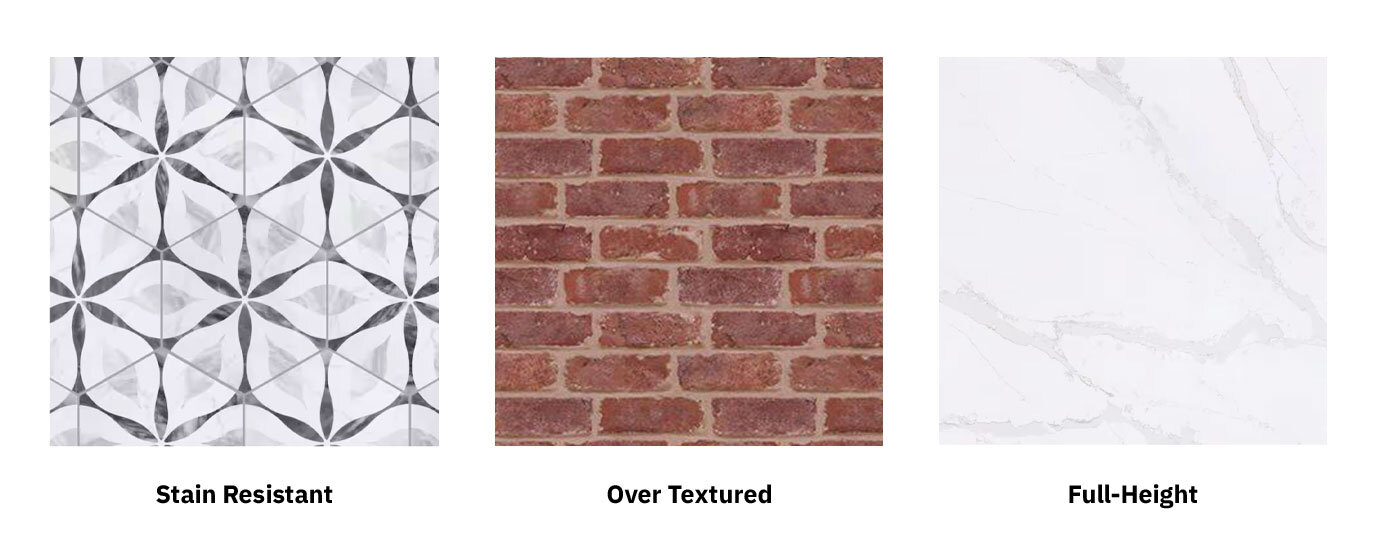
Backsplashes protect your walls, especially in cooking and cleaning zones.
- Use materials that resist stains and are easy to wipe clean
- Avoid overly textured surfaces behind cook tops
- Consider full-height backsplashes for easier maintenance
Use an elevation plan to test the combination of colors and materials
Even well planned kitchens can fall short if you overlook key details:
- Oversized islands that block movement
- Not enough counter space near the stove or sink
- Poor lighting in prep areas
- Upper cabinets placed too high or too low
- Ignoring how doors and drawers open in real use
Designing your dream kitchen isn't just about finishes and the latest trends. Start by thinking through how you actually use the space day to day. Make a list of things that frustrate or annoy you about your current kitchen, then map out a new layout using a floor plan tool. Walk through your kitchen on paper and imagine the everyday tasks you'll perform from putting away groceries, cooking, baking, making coffee, cleaning up, to entertaining kids or guests.
A thoughtful floor plan ensure your kitchen works effortlessly, while a detailed elevation plan makes sure it looks exactly how you imagined.
When you combine both, you move beyond guesswork and create a space that feels intuitive, efficient, and truly customized to how you live.